
frosting windows for privacy
The Impact of Pad Vibration on Performance In the realm of technology and engineering, pad vibration is a critical topic that has garnered increasing attention. The phenomenon of vibration occurs when an object oscillates about a central point, and in the context of pads—whether they be found in machinery, sports equipment, or consumer technology—understanding vibration dynamics can significantly enhance performance and user experience. Understanding Pad Vibration Pad vibration can be described as the oscillatory motion that occurs when pads are subjected to external forces. This could be in the form of mechanical stress in machines, or the impact forces experienced during sports. For instance, in the automotive industry, brake pads are designed to create friction when activated, leading to vibrations that can affect driving performance and comfort. In technologies like gaming controllers or musical instruments, vibrations can either enhance or detract from user interaction, depending on their design and intended function. The Science Behind Vibration At its core, pad vibration is a mechanical phenomenon defined by frequency, amplitude, and damping. The frequency relates to how fast the vibrations occur, amplitude to the strength of these oscillations, and damping to how the vibrations dissipate over time. Engineers often employ various materials and designs to manipulate these factors for optimal performance. For example, softer materials can absorb more vibration energy, reducing discomfort and enhancing stability during operation. Applications in Sports Equipment One of the most profound applications of understanding pad vibration is in sports equipment design. Sports pads, such as those used in football, hockey, or cycling, are designed not just for protection, but also to manage and optimize vibrations . For instance, in cycling, seat pads are engineered to minimize vibrations from uneven surfaces. This not only enhances rider comfort but also improves performance by allowing for better energy transfer between the cyclist and the bike. pad vibration Moreover, in footwear, pads designed with specific vibrational characteristics can significantly affect athletic performance. Running shoes, for example, utilize vibration-dampening materials in the soles to absorb shocks, reduce fatigue, and improve overall efficiency. Athletes using these advanced designs report less strain and a lower risk of injury, demonstrating that thoughtful design concerning pad vibration can lead to significant performance enhancements. Innovations in Technology Recent advances in technology have opened new avenues for exploring and utilizing pad vibration. In the realm of consumer electronics, vibration feedback in devices—such as smartphones and gaming consoles—has become a key component of user interface design. By integrating vibration motors and sensors, manufacturers can create a more immersive experience, improving user engagement through tactile feedback. Furthermore, the development of smart materials and adaptive technologies is revolutionizing how we think about vibration management. For instance, some automotive manufacturers are beginning to use active suspension systems that can adjust in real-time to changing conditions, effectively controlling the amount of vibration transmitted through the vehicle's chassis. Challenges and Considerations Despite the numerous benefits associated with optimized pad vibration, there are challenges that developers and engineers must navigate. Uncontrolled vibrations can lead to a range of issues, including component wear, loss of efficiency, and user discomfort. Additionally, the cost implications of implementing advanced vibration management technologies can be significant, a factor that must be balanced with performance benefits. Conclusion In summary, pad vibration is a multifaceted subject that transcends various industries and applications. From sports equipment to consumer technology and automotive design, the impact of vibration on performance is profound. As research continues and technology evolves, we are likely to see even more innovative solutions that harness the benefits of pad vibration while mitigating its challenges. Ultimately, understanding and controlling pad vibration is not just about reducing discomfort—it's about unlocking new levels of performance and user satisfaction across an array of applications.
about
frosting windows for privacy
Understanding Heavy Duty Knife Gate Valves Heavy duty knife gate valves play a pivotal role in many industrial applications, particularly in handling bulk materials and liquids. These valves are designed for robustness and efficiency, making them essential for a variety of sectors such as mining, wastewater treatment, pulp and paper production, and more. This article aims to explore the features, applications, and advantages of heavy duty knife gate valves. What is a Knife Gate Valve? A knife gate valve is a type of valve that utilizes a sharp-edged blade, or knife, to cut through the bulk materials in a pipeline. The design allows the valve to function efficiently in applications where other types of valves may struggle, particularly in handling slurries and materials that may contain solid particles. The knife gate valve is usually installed in a horizontal position, allowing gravity to assist in the closing action, which helps ensure a tight seal. Key Features 1. Robust Construction Heavy duty knife gate valves are built to withstand harsh conditions. They are often made from materials like stainless steel, ductile iron, or carbon steel, which provides enhanced durability and resistance to wear and corrosion. 2. Blades and Seats The blade of the valve is sharp and flat, allowing it to slice through materials easily. The seat material, often made of rubber or other resilient composites, ensures a tight seal when the valve is closed, preventing leakage. 3. Size and Configuration Heavy duty knife gate valves are available in a range of sizes and configurations, accommodating various pipeline diameters and installation requirements. They can also be designed for both manual and automated operations. 4. Versatility These valves can be used in both on-off and throttling applications, making them suitable for diverse operational needs. Applications Heavy duty knife gate valves find applications across numerous industries heavy duty knife gate valve - Mining They are crucial in controlling the flow of slurry, minerals, and tailings in mining operations, where handling abrasive materials is common. - Wastewater Treatment In wastewater treatment plants, these valves are used to regulate the flow of sludge and other waste materials. - Pulp and Paper In the pulp and paper industry, knife gate valves manage the flow of wood chips, pulping chemicals, and other materials during the manufacturing process. - Food and Beverage These valves can also be found in the food and beverage sector, where they handle thick suspensions and pastes. Advantages 1. Effective Shut-off One of the primary benefits of heavy duty knife gate valves is their ability to provide a reliable shut-off for bulk materials, ensuring operational safety and efficiency. 2. Low Maintenance Their robust construction and simple design make them relatively easy to maintain compared to more complex valve types. 3. Cost-Effectiveness Given their durability and low maintenance needs, heavy duty knife gate valves can be a cost-effective choice for industries that require frequent operation with challenging materials. 4. Reduced Leakage The design of the knife gate valve minimizes the risk of leakage, which is particularly important in applications where material loss could lead to significant costs or environmental impact. Conclusion Heavy duty knife gate valves are an integral component of many industrial processes. Their robust construction, efficient operation, and versatility make them suitable for handling challenging materials across various sectors. As industries continue to evolve and demand more reliable performance, the role of knife gate valves will undoubtedly remain significant. Understanding their features and applications can help businesses choose the right valve solutions to enhance their operational efficiency and ensure long-term reliability.
-

High quality industrial productsagement

High quality industrial products
View Details -

Meet the diverse needs of customers

Meet the diverse needs of customers
View Details -

Strict quality control

Strict quality control
View Details -

Top raw materials

Top raw materials
View Details -

Trusted supplier

Trusted supplier
View Details
Our application
news and information
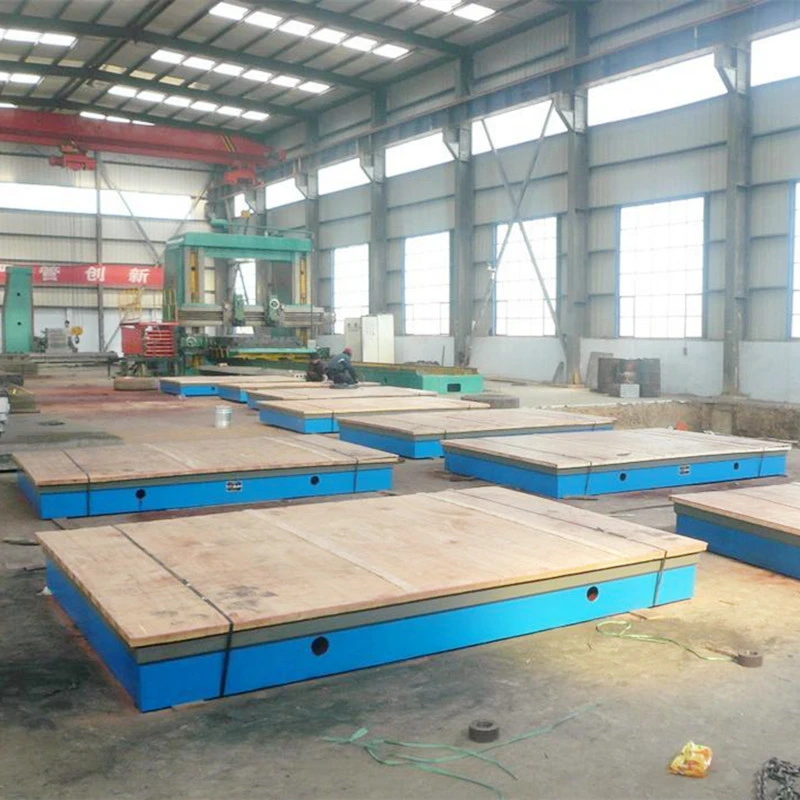
Versatile 3x4 Welding Table for Efficient Metal Fabrication and Projects
The Versatility of a 3x4 Welding Table In any metalworking shop, the tools and work surfaces can sig
Vee Blocks Available for Purchase at Competitive Prices
Exploring Vee Blocks for Sale A Comprehensive Guide In recent years, the construction and logistics

y Siebdampfabscheider
Der Y-Strainer ist ein wichtiges Bauteil in der industriellen Prozessindustrie, insbesondere in Damp
 English